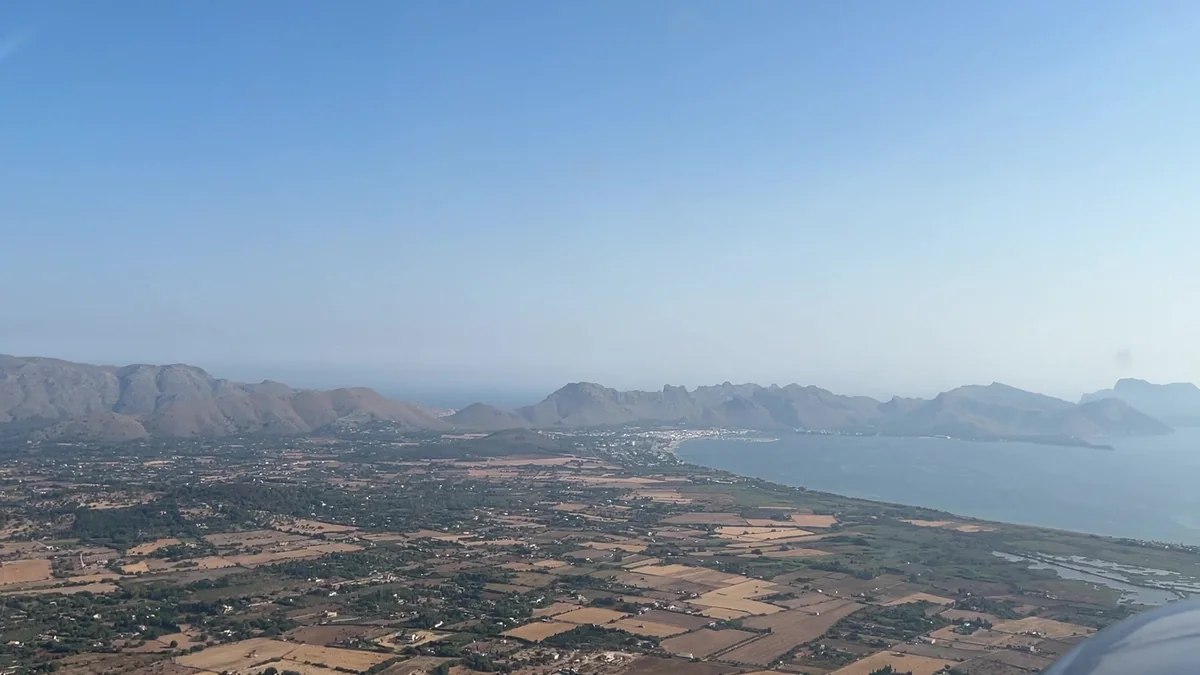
The first cross-country after the PPL is where weather, charts, fuel, radio, navigation and decision-making all have to work together, with no instructor next to you. The most common mistake is trying to do everything new at once. The safer path is simple: change one factor at a time.
Don't Stack Every New Factor on the Same Flight
Picture a flight that combines every first:
- your first flights alone on a new licence;
- an area you don't know;
- an aerodrome you've never seen;
- an aircraft you've barely flown; and
- weather that is anything less than calm and clear.
Any one of those is manageable. All of them together raise the workload fast.
Introduce one new thing; keep everything else familiar.
A Progression That Actually Works
- Stay where you already know the ground. Fly the areas and aerodromes you used in training. Familiar landmarks, frequencies and circuit procedures cut the mental load, so you can consolidate decision-making and radio without fighting the map at the same time.
- Widen the circle carefully. Next, add aerodromes that don't force you into complicated airspace on day one. In Spain that often means staying outside busy CTRs and TMAs until you're comfortable with the route and the destination; in the US, it means reading the airspace and the Chart Supplement before you commit. For how the classes interact under VFR, see Airspace Classes A to G Explained for VFR Pilots.
- If you rent or buy an unfamiliar aircraft, make it the only new thing. When the machine is new to you, fly it first where you already know the procedures and the local circuit. You need bandwidth for the POH, the fuel system and the avionics; don't spend it decoding a strange aerodrome at the same time.
- Keep the weather boring at first. Fly only on perfect days: CAVOK and little or no wind. You may have flown in worse during training, but alone on a brand-new licence, don't go out in anything less.
Only after several solid flights on known routes, in easy weather, should you start sampling new aerodromes one by one.
What to Prepare on the Ground
Rules and AIP details differ by country, so always check the sources that apply where you fly. These are the pieces that matter on any first cross-country.
Charts, AIP and the Destination
In EASA Europe, including Spain, study the route and the destination in the national AIP; in Spain, that means ENAIRE's Guía VFR and AIP Spain: runway data, frequencies, PPR if any, fuel, and local procedures. In the US, the FAA's Pilot's Handbook of Aeronautical Knowledge, Chapter 16, tells you to study the Chart Supplement and NOTAMs for every airport where you intend to land.
Pick a destination with published information and a runway that leaves margin over your take-off and landing distances and your personal minimums. Longer pavement helps, but familiarity and simple airspace matter more than chasing the longest runway on the chart.
Weather and Personal Minimums
SERA.2010 requires the pilot-in-command, before a flight away from the vicinity of an aerodrome, to study available weather reports and forecasts, fuel requirements and an alternative course of action if the flight can't be completed as planned. In the US, 14 CFR 91.103 says much the same.
Write personal minimums on the ground: ceiling, visibility, wind and crosswind, fuel reserve, and how recent you are on type. Right after the licence, set them tight: CAVOK and little or no wind until the rest feels routine. AOPA has practical VFR personal-minimums contracts you can adapt. Decide go or no-go before engine start. More on the briefing habit in The VFR Preflight Briefing.
Fuel, Mass and a Way Home
Plan fuel with a reserve you'd still accept if the wind is worse or you divert; legal minima are a floor, not a target (VFR Fuel Planning and Reserves). Check mass and balance for the actual loading, and keep one realistic alternate.
Flight Plan and Telling Someone
In Spain, file the VFR flight plan through ENAIRE (ICARO), open it on departure and close it on arrival; an open plan that nobody closes triggers search and rescue. In the US, a VFR flight plan with Flight Service, or flight following where available, leaves a trail if you don't show up. Also tell someone on the ground your route and ETA.
In the Air: Keep the Workload in Check
Navigate by pilotage first: chart checkpoints, timed legs and a heading that matches the wind you briefed. Use GPS as a cross-check, not as the only plan. If weather, fuel or comfort drift from what you briefed, divert or turn back early rather than pressing on just because there's a plan (Plan Continuation Bias). At a new aerodrome, join as published, read the windsock and fly a full circuit if you need the extra look.
My Experience
I trained at LEAX (La Axarquía, Málaga, Andalusia). After the PPL I bought an aircraft in the Netherlands and flew there a few times with the previous owners to get familiar with it. We then ferried it south with stops at aerodromes across France and Spain. They knew the aircraft better than I did, so I was never alone with an unfamiliar aircraft on unfamiliar routes.
Once we were back in Spain, near Granada and Málaga, the difference was obvious: because I already knew the area, I could put my attention on the aircraft instead of decoding every landmark. In the following days, flying solo in my own aircraft, I first did familiarisation in the manoeuvring areas I knew from training, then a series of flights on known routes, and only after that started trying new aerodromes.
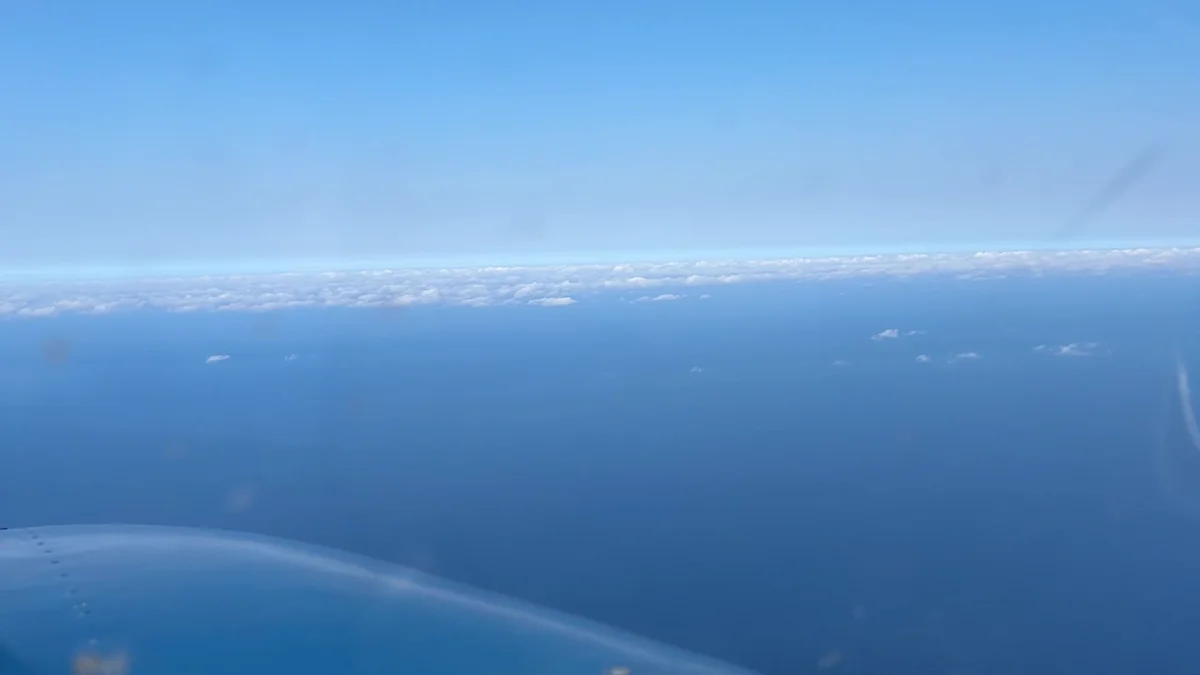
Since then I've even flown to the Balearics across the Mediterranean: a demanding, high-concentration flight, most of it around 2,500 ft over the sea. That kind of leg only makes sense after the earlier steps, not instead of them.
After Landing
Short debrief: what ate capacity, what you'd brief differently, and which single new factor comes next. Build experience, not just logbook hours.
For extra detail in that review, you can upload the GPS track to Flight Analysis on pilotsanchez.com: it maps the track and shows altitudes and timings, flight phases, take-off roll and a comparison with the POH figures.
Sources
- EASA, Easy Access Rules for Standardised European Rules of the Air (SERA), SERA.2010 Responsibilities
- ENAIRE, AIP Spain
- ENAIRE, Guía VFR
- ENAIRE, submit your flight plan online (ICARO)
- FAA, Pilot's Handbook of Aeronautical Knowledge, Chapter 16: Navigation (PDF)
- 14 CFR 91.103, Preflight action (eCFR)
- AOPA Air Safety Institute, Personal Minimums
This article is general information and does not replace your instructor's advice, your aircraft's POH or AFM, or the rules and AIP of the country where you fly.
