
Plan Your Flight: A Comprehensive Guide for VFR/IFR GA Pilots in Europe
Planning a flight is a crucial step in ensuring safety, efficiency, and compliance with regulations. Whether you are a VFR (Visual Flight Rules) or IFR (Instrument Flight Rules) pilot, meticulous preparation can make the difference between a successful journey and an emergency. This guide will walk you through the essential components of flight planning, linking you to valuable resources on briefing, flight planning tools, and post-flight analysis.
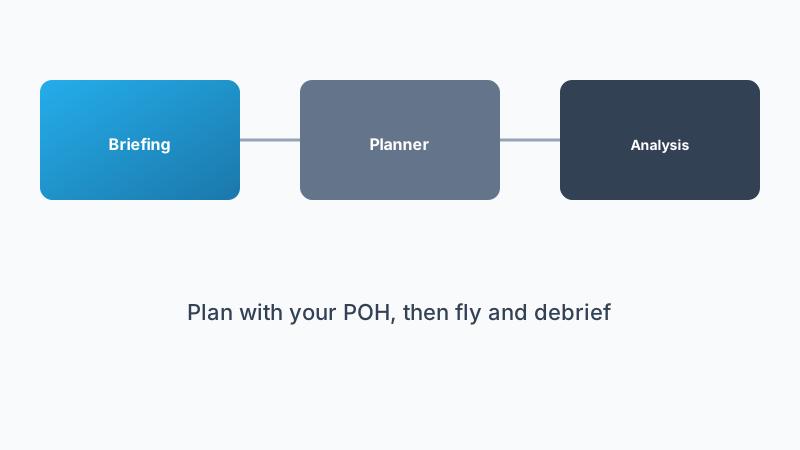
Workflow for Effective Flight Planning
1. Pre-Flight Briefing
Begin by conducting a thorough pre-flight briefing. This involves gathering essential information about weather, NOTAMs (Notices to Airmen), airspace restrictions, and any other relevant data. Utilize the Briefing page to access the latest updates and advisories.
Key Steps:
- Check the weather for your departure and arrival airports, as well as along your route.
- Review NOTAMs to identify any temporary flight restrictions or changes in airspace.
- Verify airport services and runway conditions.
2. Flight Planning
Once you have all necessary briefing information, move on to the flight planning phase. Use the Planner tool to create your flight plan, taking into account the following:
Considerations:
- Route Selection: Choose a route that optimizes safety and efficiency. Consider airways, waypoints, and possible alternate airports.
- Fuel Requirements: Calculate the fuel needed for the flight, including reserves for diversions and holding.
- Weight and Balance: Ensure your aircraft is within its weight and balance limits for safe operation.
3. Flight Analysis
After completing your flight, conduct a thorough analysis to learn from your experience. Access our Flight Analysis tool to evaluate your performance and identify areas for improvement.
Focus Areas:
- Review your flight log and compare it against your planned route.
- Analyze fuel consumption and flight time against your estimates.
- Reflect on any challenges encountered during the flight and how they could be addressed in the future.
Common Mistakes in Flight Planning
-
Neglecting Weather Updates: Many pilots fail to check for updated weather information close to departure time, leading to unexpected conditions.
-
Ignoring NOTAMs: Skipping over NOTAMs can result in encountering unanticipated airspace restrictions or runway closures.
-
Underestimating Fuel Needs: A common error is miscalculating fuel requirements, either by not accounting for reserves or failing to consider weather impacts.
-
Overlooking Weight and Balance: Failing to perform a weight and balance check can lead to dangerous flight conditions. Always double-check your calculations.
-
Not Considering Alternatives: Not having a backup plan or alternate airports can be risky, especially in changing weather or emergency scenarios.
Aircraft-Specific Guides
For a more tailored approach, refer to our aircraft-specific guides available at Pilot Sanchez Guides. These guides provide detailed information on aircraft performance, limitations, and specific navigation considerations that can enhance your flight planning process.
Using Pilot Sanchez
- User-Friendly Interface: Easy navigation through various flight planning tools and resources.
- Comprehensive Briefings: Access to up-to-date briefings, including weather and NOTAMs.
- Customizable Flight Plans: Tailor your flight plans according to your specific aircraft and route.
- Post-Flight Analysis Tools: Evaluate your flights to continually improve your skills and safety.
- Community Support: Engage with other pilots to share experiences and insights.
- Educational Resources: Access a wealth of training materials to enhance your aviation knowledge.
By following these guidelines and utilizing the tools available, you can ensure that your flight planning process is thorough, effective, and aligned with best practices in aviation safety. Safe flying!