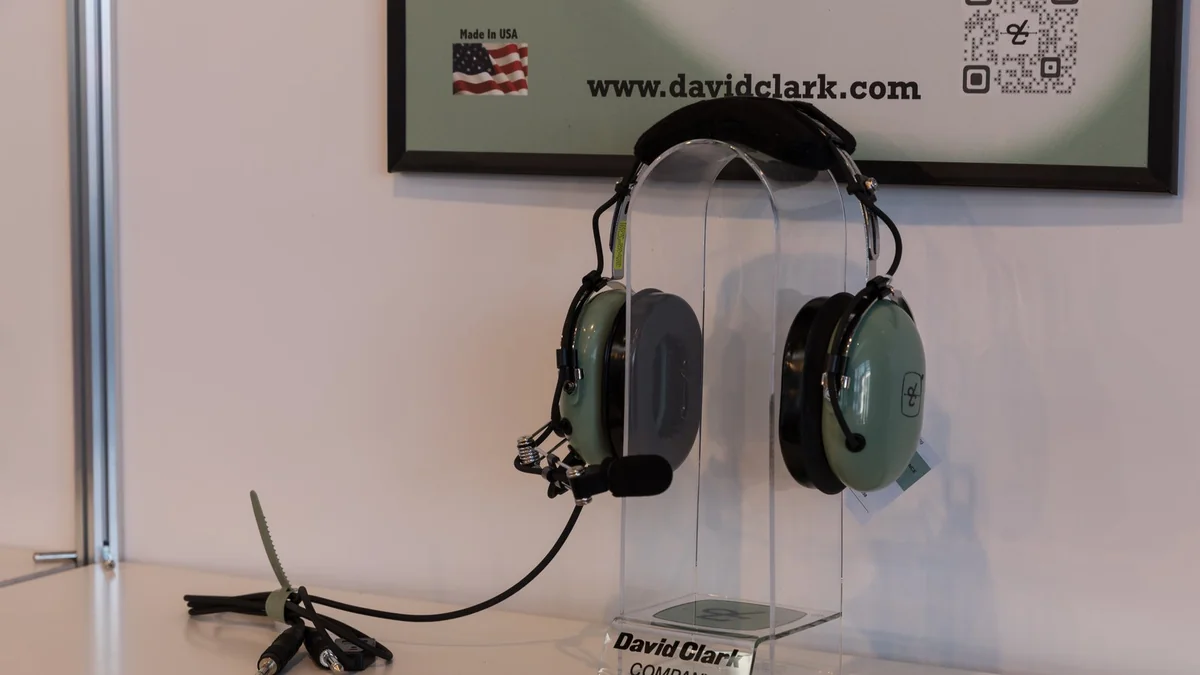
A headset is one of the few pieces of kit you wear on every flight. It protects your hearing, makes ATC readable, and decides whether a three-hour cross-country feels fine or exhausting. Here's what actually matters when you choose one, eight current pilot models side by side, and a few cheap sets to keep for passengers.
Why cockpit noise matters
A small single-engine airplane runs at about 70–90 dB in the cockpit; a single-rotor helicopter, 80–102 dB. Those are the typical levels in the FAA Civil Aerospace Medical Institute brochure Hearing and Noise in Aviation (AM-400-98/3). It also notes that daily unprotected exposure above about 90 dB can cause hearing impairment, often starting near 4,000 Hz—outside the conversational band, so it can go unnoticed at first.
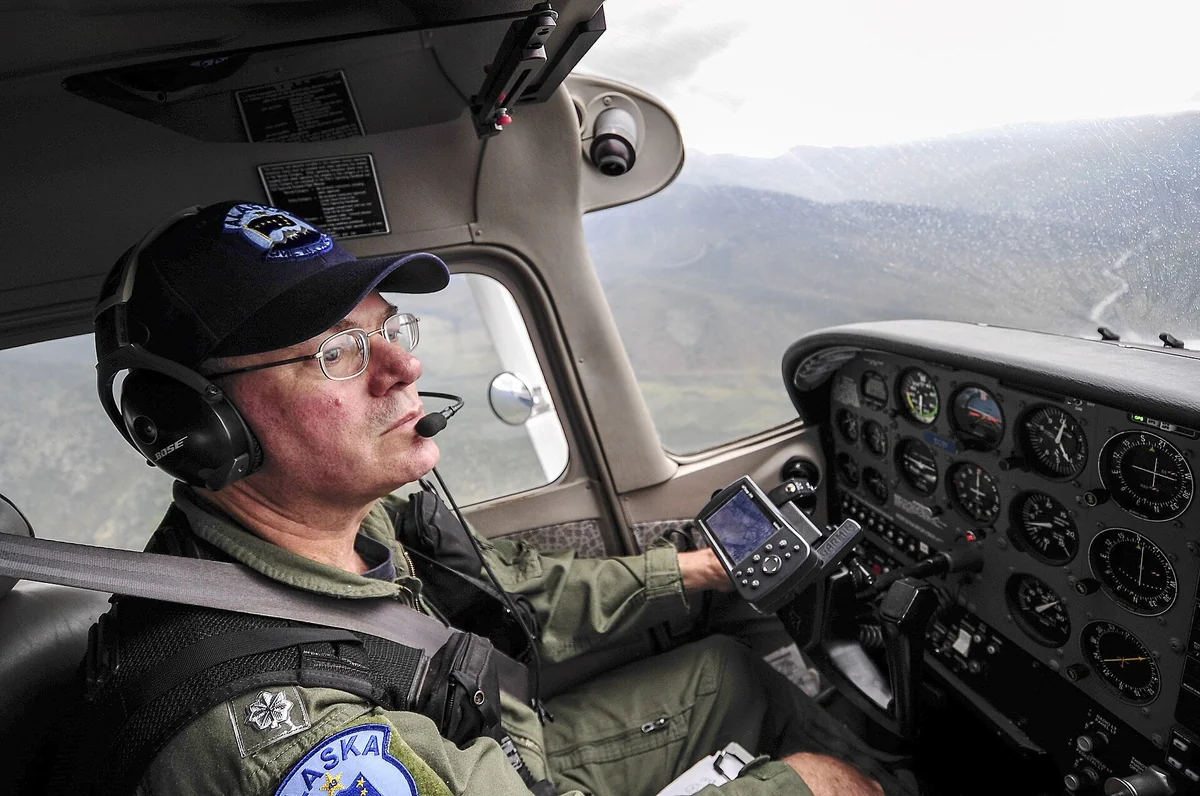
OSHA-style exposure limits reprinted in that brochure allow eight hours at 90 dB, two hours at 100 dB and only 15 minutes at 115 dB. FAA AC 91-35 warned decades ago that propeller aircraft and helicopters can overexpose active pilots, and that speech intelligibility collapses when engine noise sits in the same band as speech.
Practical takeaway: use a well-fitting headset (and earplugs under it in very loud cockpits). Two FAA caveats: most communication headsets are not lab-rated hearing protectors with a published NRR, and ANR must not mask aural warnings that don't come through the intercom (InFO 07001 and related SAIB guidance).
Passive vs ANR
- Passive blocks noise with foam, gel seals and cup mass. No batteries, and best at mid and high frequencies. Classic example: David Clark H10-13.4 with a published 23 dB NRR.
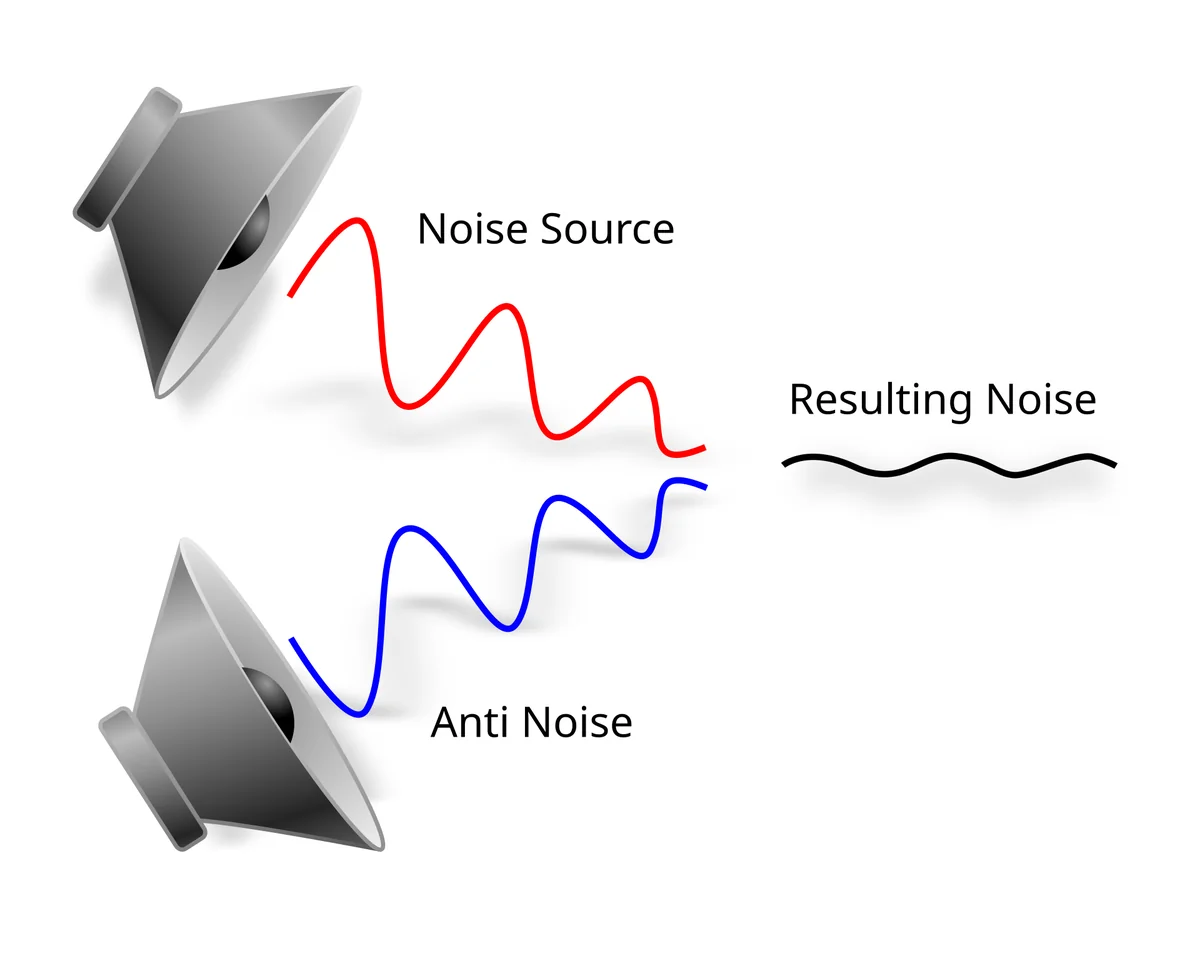
- ANR (ENC is David Clark's name for it) adds electronics that cancel low-frequency energy (prop and exhaust rumble) by playing an inverted signal. Needs power; good designs fall back to usable passive audio if batteries die. ANR doesn't replace a good seal—clamping force and ear seals still matter.
For loud piston singles and many helicopters, ANR is usually worth the money if you fly often. For a quiet turbine flight deck, a light on-ear or in-ear set can be enough. Student pilots on a budget often start passive and upgrade later. Passengers almost never need ANR.
Connectors: get the plug right
- GA dual plug — ¼-inch PJ-055 headphone + PJ-068 microphone. The default in most light piston aircraft.
- LEMO 6-pin (panel power) — common on Cirrus and some Cessna 350/400-series panels; powers ANR from the airplane (often with battery backup on the headset).
- U-174 / U-93 — single helicopter plug.
- XLR5 (5-pin) — Airbus-style commercial plug on many airliner and business-jet panels.
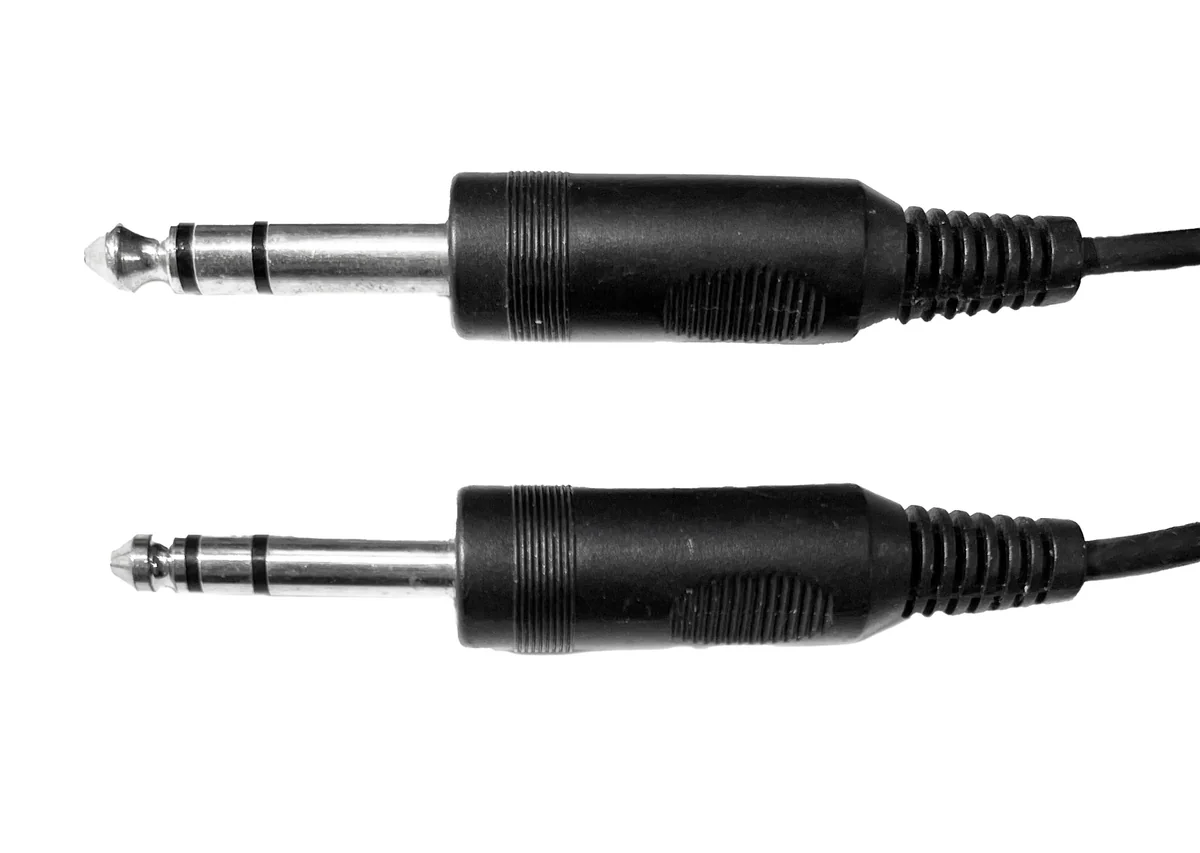
Buy the plug your airplane has, or plan an adapter. The Bose A30, for example, comes in dual-plug, LEMO, XLR5 and U-174 variants.
Weight, clamp, seals and comfort
Modern over-ear ANR sets weigh about 12–16 oz (340–450 g) on the head. Clamping force matters as much as grams: Bose markets the A30 as having about 20% less clamp than the older A20. Gel seals usually close the gap around glasses arms better than thin foam; foam can feel cooler on long hot days. Try before you buy if you can—comfort is personal.
Microphones, Bluetooth and TSO
Aviation boom mics are almost always noise-cancelling electrets. Place the mic just off your lips; a foam windscreen (mic muff) cuts cabin noise when you transmit.
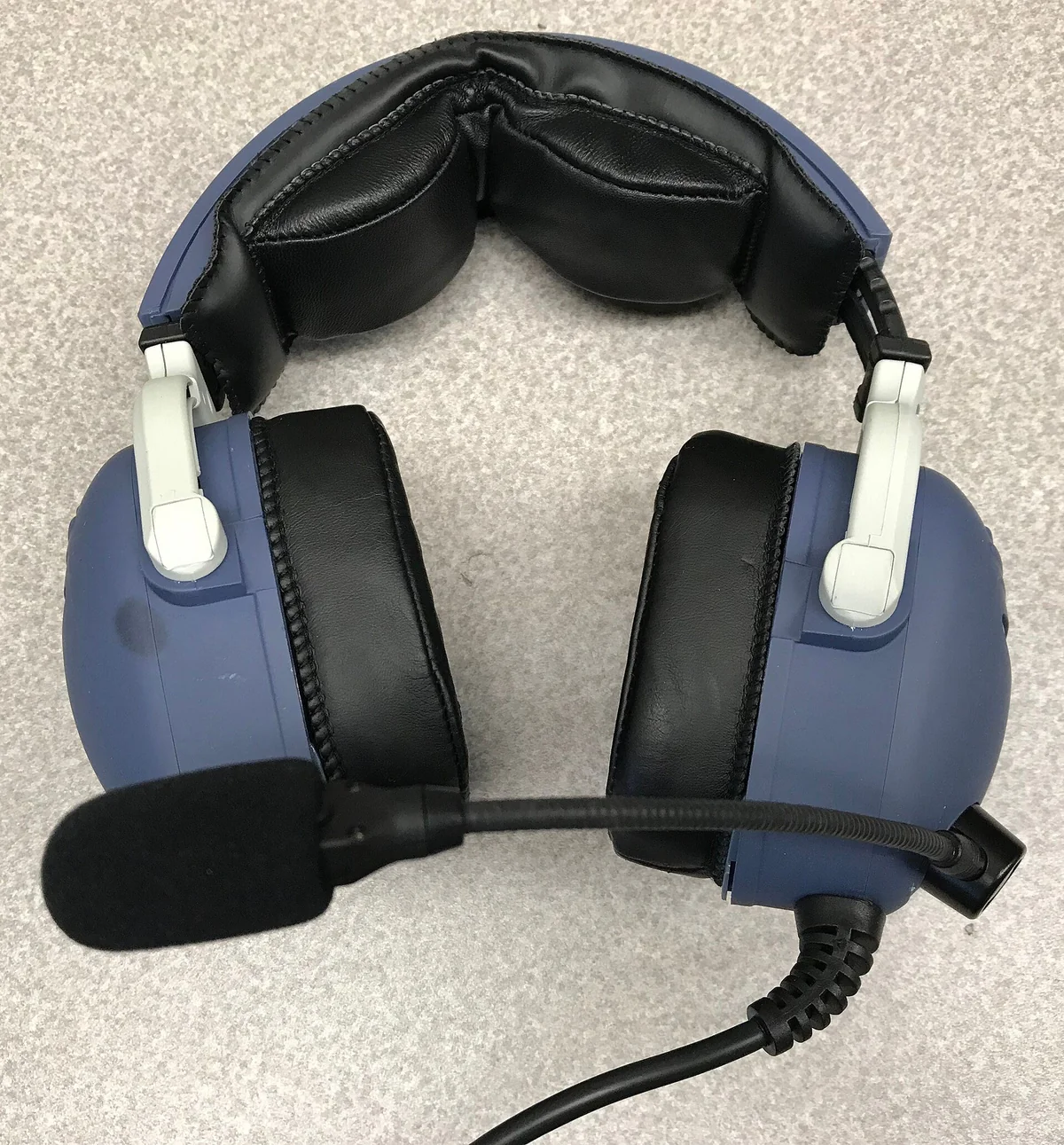
Bluetooth is useful for phone briefings, weather apps and music, provided the headset mutes or ducks music when ATC or the intercom speaks. Keep phones secured and respect sterile-cockpit habits.
TSO-C139a (and EASA ETSO-C139a) authorizes audio equipment against RTCA DO-214A minimum performance standards. It's not required for Part 91 personal flying. Some employers, or the aircraft's type design, may call for TSO'd equipment. The Bose A30 and David Clark ONE-X carry TSO-C139a marking. Lightspeed's headsets aren't TSO authorized, and Lightspeed points out that the FAA doesn't require TSO headsets for civil operations (see Lightspeed’s TSO explainer).
Budget tiers
Typical list or street prices, November 2026.
- Passenger / spare passive (~$95–$140): Rugged Air RA200, KORE P1, ASA HS-1A, PilotStyle PS221
- Entry pilot passive (~$470): David Clark H10-13.4
- Value ANR (~$390–$750): Faro G2 ANR, Lightspeed Sierra
- Mid / premium ANR (~$950–$1,300): Lightspeed Zulu 3, David Clark ONE-X, Bose A30, Lightspeed Delta Zulu
Eight current pilot models compared
Quick comparison first; details for each model follow. Typical US prices, checked in November 2026.
| Feature | 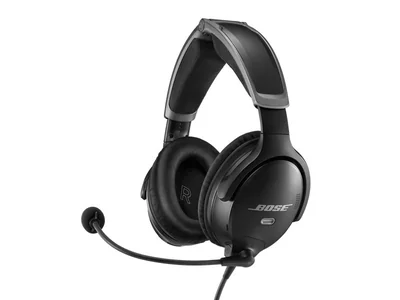 Bose A30 | 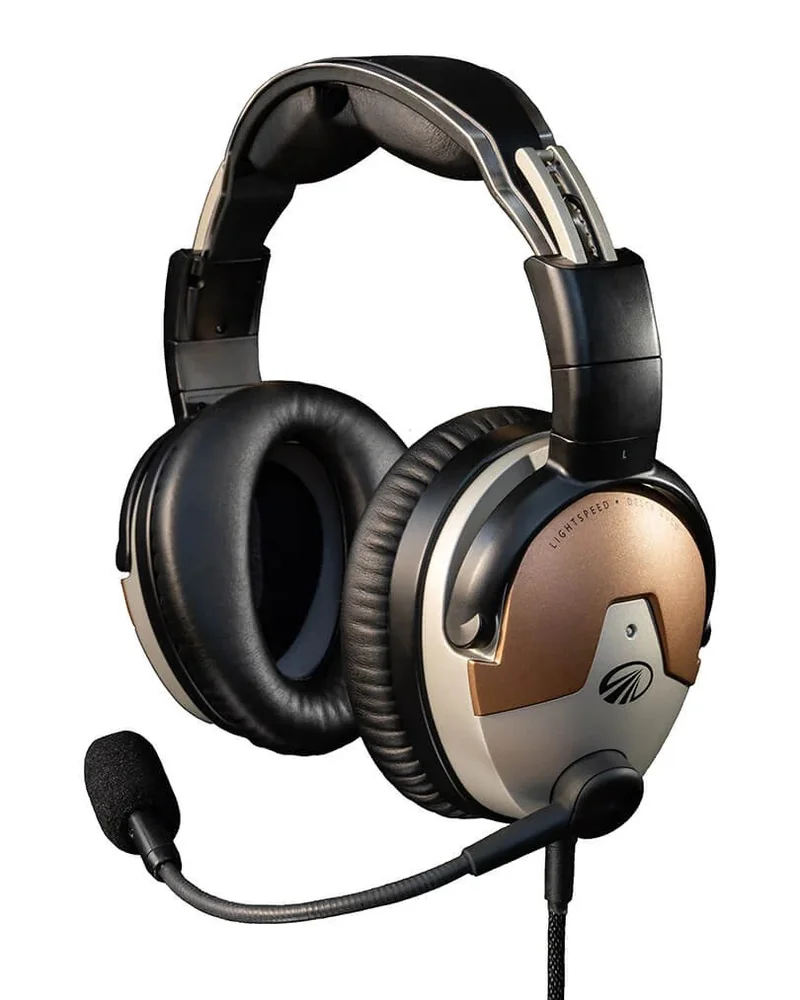 Delta Zulu | 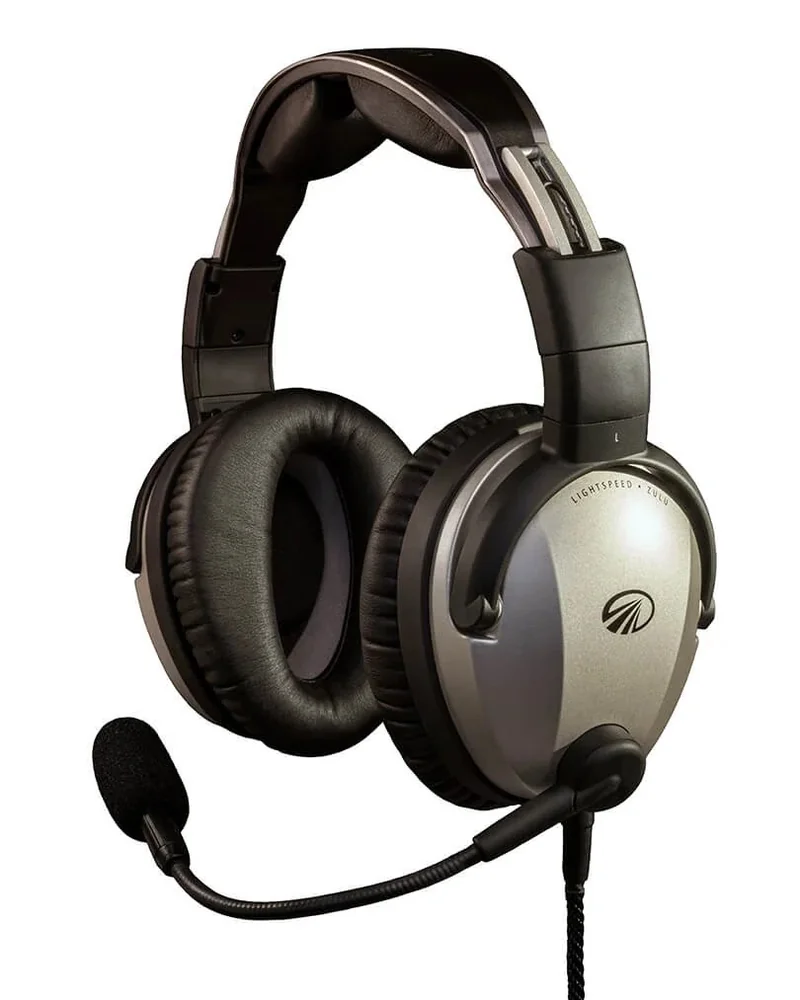 Zulu 3 | 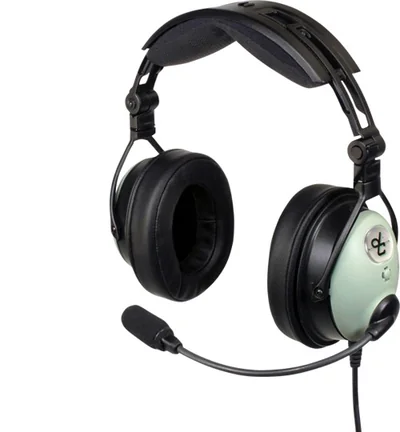 DC ONE-X | 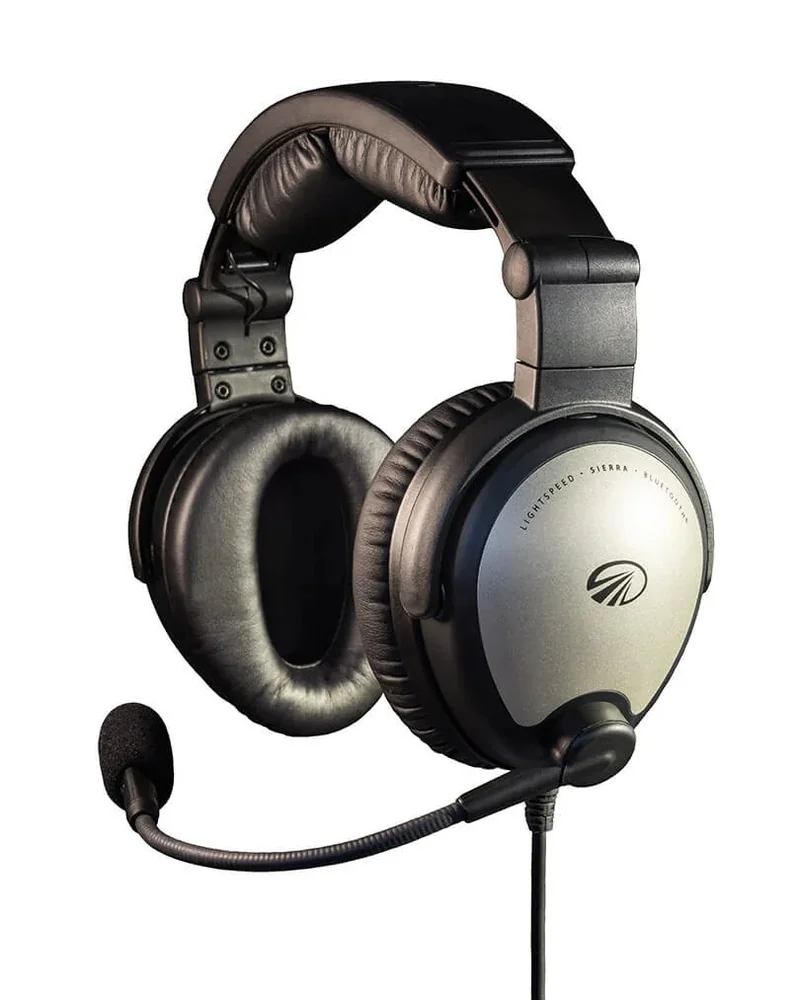 Sierra | 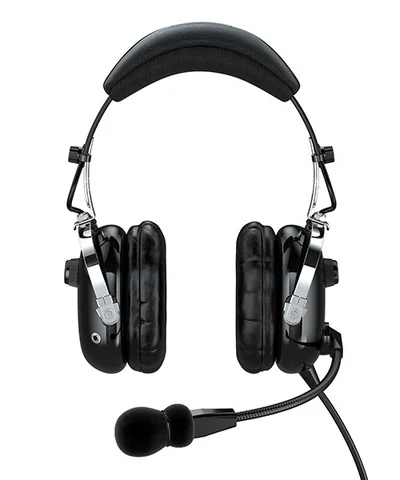 Faro G2 | 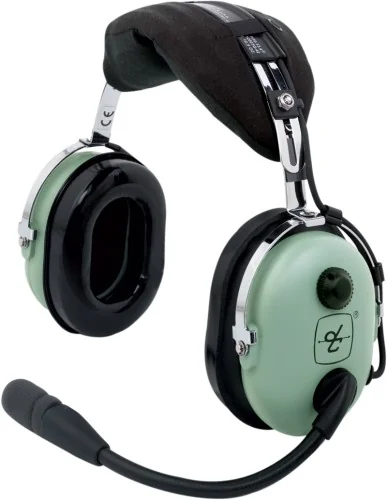 H10-13.4 | 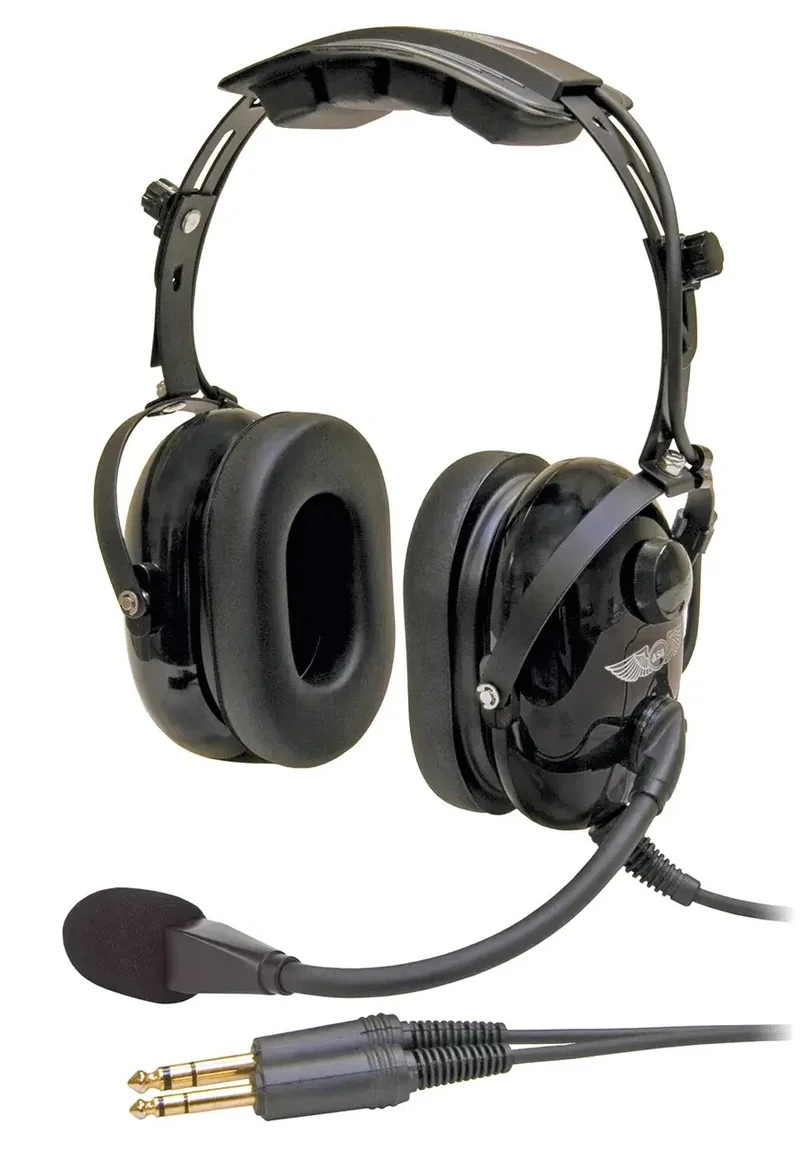 ASA HS-1A |
|---|---|---|---|---|---|---|---|---|
| Price | $1,299 | $1,299 | $949 | $1,020 | $749 | $389.95 | $472.88 | $139.95 |
| Type | ANR | ANR | ANR | ENC | ANR | ANR | Passive | Passive |
| Weight | 14.2 oz | 14.9 oz | 14.6 oz | 12.3 oz | 16 oz | — | 16.5 oz | — |
| Bluetooth | Yes | Yes | Yes | Yes | Yes | No | No | No |
| Warranty | 5 yr | 7 yr | 7 yr | 5 yr | 5 yr | 3 yr | 5 yr | Lifetime |
| Buy | Buy | Buy | Buy | Buy | Buy | Buy | Buy | Buy |
Approximate prices · may vary
1. Bose A30
$1,299
Approximate Amazon price · may vary
Flagship ANR headset with three noise-cancelling modes, low clamp and TSO certification.
Features
- Type: ANR, around-ear, three selectable ANR modes
- Weight: 14.2 oz (404 g) on head
- Clamp: 20% less than the A20 (Bose)
- Plugs: dual GA, LEMO, XLR5, U-174
- Bluetooth: yes (non-Bluetooth versions available)
- Battery: up to 45 h on two AA (25+ h with Bluetooth)
- TSO: FAA TSO / EASA E/TSO-C139a
- Warranty: 5 years
- Manufacturer: Bose A30
Pros
- Very low clamp for a full cup
- TSO
- Long battery life
- Many plug options
Cons
- Among the most expensive here (with the Delta Zulu)
- Bose does not publish one attenuation figure for the three modes
2. Lightspeed Delta Zulu
$1,299
Approximate Amazon price · may vary
Premium ANR headset with a built-in carbon-monoxide sensor and custom hearing EQ.
Features
- Type: ANR with built-in carbon-monoxide sensor and HearingEQity custom EQ
- Weight: 14.9 oz (422 g) with seals and boom
- Plugs: dual GA, LEMO, U-174
- Bluetooth: yes
- Battery: lithium-ion or AA cartridge
- TSO: no
- Warranty: 7 years
- Manufacturer: Lightspeed
Pros
- Always-on CO alert
- Hearing profile via app
- Long warranty
- Over-the-air updates
Cons
- Flagship price, but no TSO
- Slightly heavier than the A30
3. Lightspeed Zulu 3
$949
Approximate Amazon price · may vary
Proven magnesium-cup ANR headset that stays under $1,000.
Features
- Type: ANR, magnesium cups (still sold alongside the newer Zulu 4)
- Weight: 14.6 oz (414 g)
- ANR: >125 dB at 100 Hz (manufacturer figure)
- Plugs: dual GA, LEMO, U-174
- Bluetooth: yes
- TSO: no
- Warranty: 7 years
- Manufacturer: Lightspeed
Pros
- Strong value under $1,000
- Light magnesium build
- Long warranty
Cons
- No longer the flagship: the Zulu 4 adds FrameFit seals and dual Bluetooth
- No TSO
4. David Clark DC ONE-X
$1,020
Approximate Amazon price · may vary
Light hybrid ENC headset with a published attenuation figure and TSO.
Features
- Type: hybrid ENC (active noise cancelling), over-ear
- Weight: 12.3 oz (349 g) without cable
- ENC: peak 30 dB at 150 Hz
- Plugs: dual GA (ONE-XP version with 6-pin panel plug)
- Bluetooth: yes
- Battery: up to 50 h on two AA; passive audio if they run out
- TSO: FAA TSO-C139a
- Warranty: 5 years
- Data sheet: David Clark
Pros
- Lighter than most full cups
- Published ENC figure
- TSO
- Long battery life
Cons
- Its ENC figure isn't comparable to a classic EPA NRR
- Fewer extras than the Delta Zulu
5. Lightspeed Sierra
$749
Approximate Amazon price · may vary
Entry-level Lightspeed ANR with Bluetooth and a five-year warranty.
Features
- Type: entry-level ANR, plastic cups
- Weight: 16 oz (454 g)
- ANR: >120 dB at 100 Hz (manufacturer figure)
- Plugs: dual GA
- Bluetooth: yes
- TSO: no
- Warranty: 5 years
- Manufacturer: Lightspeed
Pros
- Cheapest way into Lightspeed ANR with Bluetooth
- Solid warranty
Cons
- Heaviest of the Lightspeed line
- Plastic build
6. Faro G2 ANR
$389.95
Approximate Amazon price · may vary
Budget ANR headset that still works passively when the batteries run out.
Features
- Type: budget over-ear ANR
- Attenuation: up to 52 dB with ANR, about 23 dB passive (manufacturer claims)
- Plugs: dual GA or helicopter
- Bluetooth: no
- Battery: two AA, up to ~30 h; works passively without batteries
- Warranty: 3 years
- Manufacturer: Faro
Pros
- Far cheaper than flagship ANR
- Still works without batteries
- Dual volume
Cons
- No Bluetooth
- Attenuation is a manufacturer claim, not an EPA NRR
- Mixed long-term comfort reports
7. David Clark H10-13.4
$472.88
Approximate Amazon price · may vary
The classic passive GA headset: no batteries, certified NRR and built to last.
Features
- Type: passive
- Weight: 16.5 oz (468 g) without cord
- Attenuation: certified NRR 23 dB
- Mic: M-7A electret
- Plugs: dual GA
- Bluetooth: no
- TSO: FAA TSO C57b/C58a
- Warranty: 5 years
- Manufacturer: David Clark
Pros
- No batteries
- Published NRR
- Tough and repairable
- Ideal for schools
Cons
- More clamp than modern ANR
- No Bluetooth
- Less low-frequency quieting
8. ASA AirClassics HS-1A (pilot/student)
$139.95
Approximate Amazon price · may vary
Low-cost passive headset with a lifetime warranty for the original buyer.
Features
- Type: passive, stereo/mono, dual volume
- Attenuation: NRR 23 dB
- Mic: electret flex boom
- Plugs: dual GA
- Bluetooth: no
- Warranty: lifetime against defects for the original purchaser (not fleet/rental)
Pros
- Low price
- Lifetime warranty
- A fine first student headset
Cons
- Basic build
- No ANR
- No clear on-head weight (ASA lists 1.95 lb)
Budget headsets for passengers
Passengers don't need Bluetooth, carbon-monoxide sensors or three ANR modes. They need a dual-GA plug, a working electret mic if they'll talk on the intercom, decent passive isolation, and a price that doesn't hurt when the headset spends most of its life in the baggage bay. Keep a few spares so guests aren't left shouting over the engine.
For passengers, a common choice among European GA pilots is the PilotStyle PS221 NG:
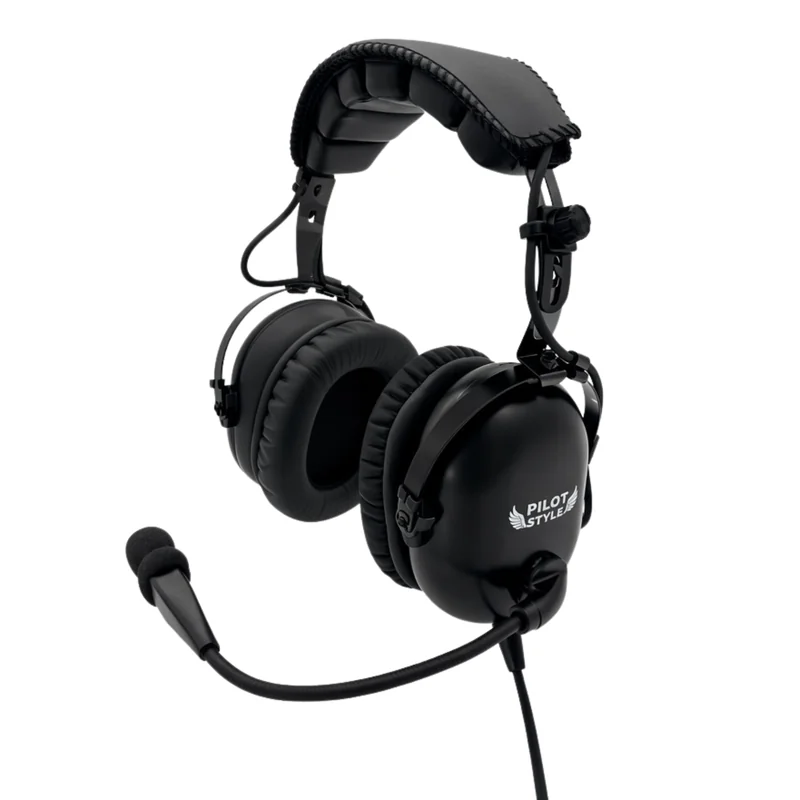
PilotStyle PS221 NG
Simple passive passenger headset with a noise-cancelling mic and inline volume.
Features
- Type: passive
- Plugs: dual GA (PJ-055 / PJ-068)
- Attenuation: about 24 dB NRR
- Mic: noise-cancelling electret
- Inline volume control
- Bluetooth: no
Similar budget passive options (checked November 2026):
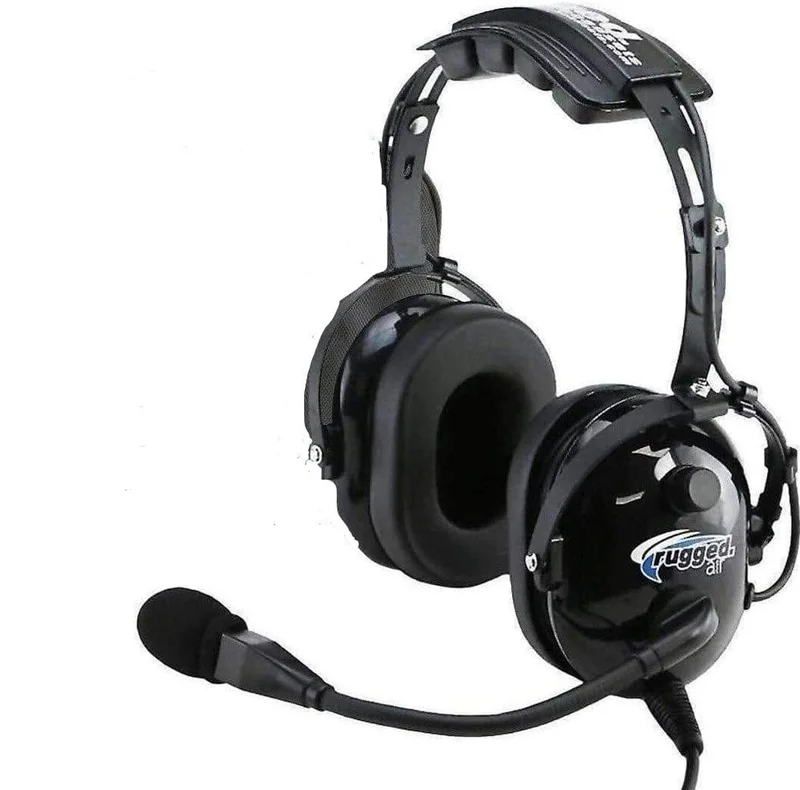
Rugged Air RA200
$99.99
Approximate Amazon price · may vary
Very cheap passive headset for students and passengers, bag included.
Features
- Type: passive, student/passenger
- Attenuation: NRR 24 dB
- Weight: about 16 oz (450 g)
- Plugs: dual GA; 3.5 mm aux (audio only)
- Bluetooth: no
- Warranty: 7 years; bag included
Pros
- Very low price
- Bag included
- Long warranty
Cons
- Foam seals and basic build
- Mixed durability reports over years of hard use
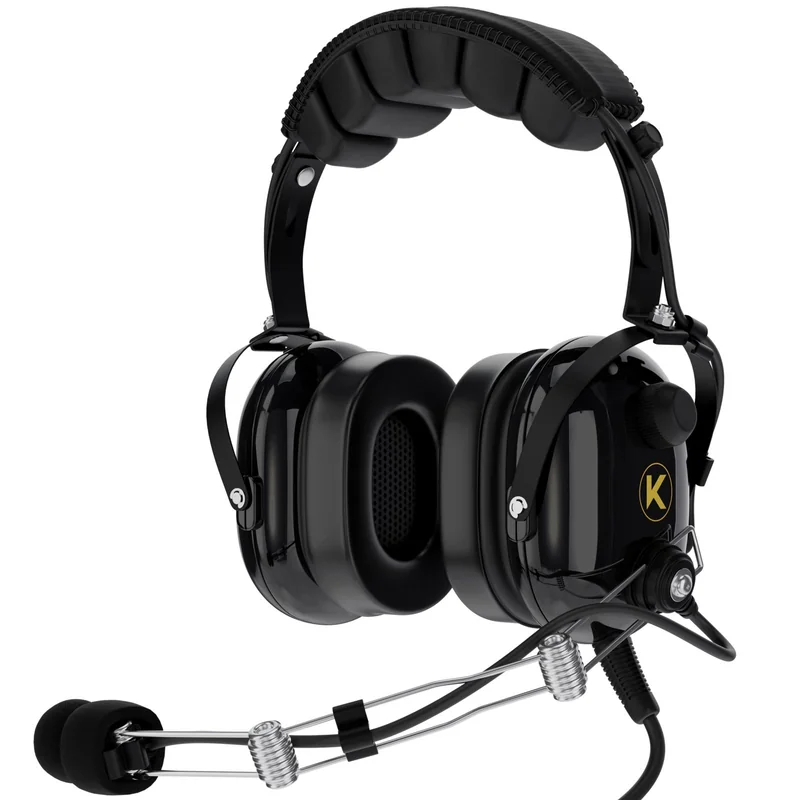
KORE Aviation P1
$124.95
Approximate Amazon price · may vary
Inexpensive mono passive headset with an AUX input for music.
Features
- Type: passive, mono
- Attenuation: NRR 24 dB (listing claim)
- Mic: noise-cancelling electret
- Plugs: dual GA; AUX input
- Bluetooth: no
Pros
- Cheap passenger/student set
- AUX for music
- Easy to find
Cons
- Mono
- Basic seals and mic
- Less brand support than David Clark or Lightspeed
The ASA AirClassics HS-1A (model 8 above) also makes a solid passenger spare.
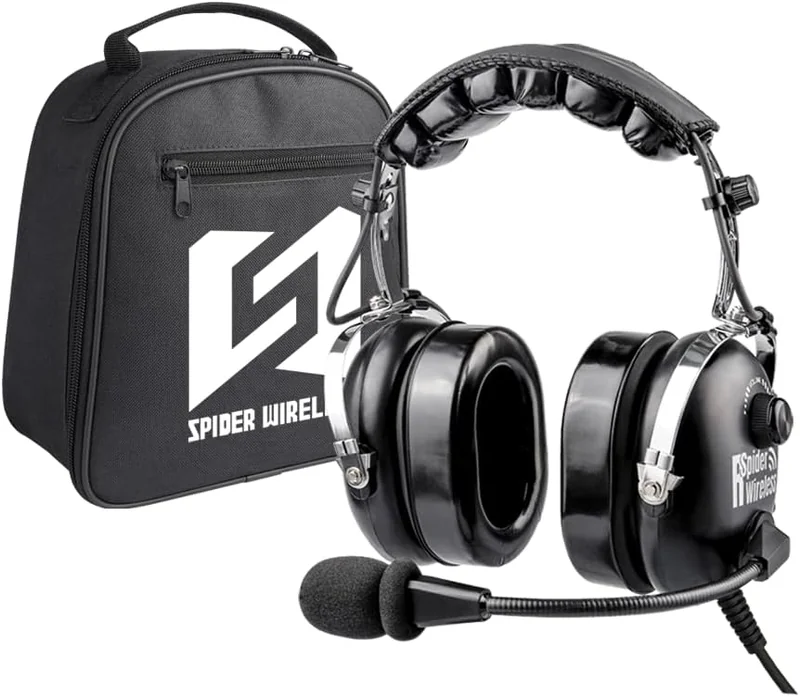
R Spider (PH-100AR / similar)
$94.99
Approximate Amazon price · may vary
Generic passive headset that works as a cheap spare for occasional passengers.
Features
- Type: generic passive
- Attenuation: NRR 24 dB (listing claim)
- Seals: gel/foam
- Plugs: dual GA; aux input
- Includes a case
Pros
- Cheap
- Dual GA
- Case included
Cons
- Little brand support
- Mixed longevity reviews
- Not a primary pilot headset
How to choose in five steps
- Match the plug to your airplane (or buy the right adapter).
- Decide passive vs ANR from how loud your usual aircraft is and how many hours you fly.
- Prioritize comfort—clamp, seals, glasses—over brochure dB numbers you can't compare apples-to-apples.
- Add Bluetooth only if you'll actually use it for the phone or music, and make sure it mutes when the radio or intercom comes alive.
- Check TSO only if your employer or aircraft type design requires it.
Protect your hearing early: a good headset costs less than long-term hearing loss, and a clearer radio makes every flight safer. Think about the hours you really fly and who sits next to you, then pick the one you'll happily wear from engine start to shutdown.
Want the rest of our kit list? It's on the recommended gear page.
Sources
- FAA CAMI, Hearing and Noise in Aviation (AM-400-98/3)
- FAA AC 91-35, Noise, Hearing Damage, and Fatigue in General Aviation Pilots
- FAA InFO 07001 on noise-cancelling headsets
- EASA / RTCA: ETSO-C139a / DO-214A audio equipment MPS
- Manufacturer and dealer pages linked above (Bose, Lightspeed, David Clark, Faro, ASA, Rugged Air, PilotStyle / AIR TEAM), plus Amazon product pages checked November 2026
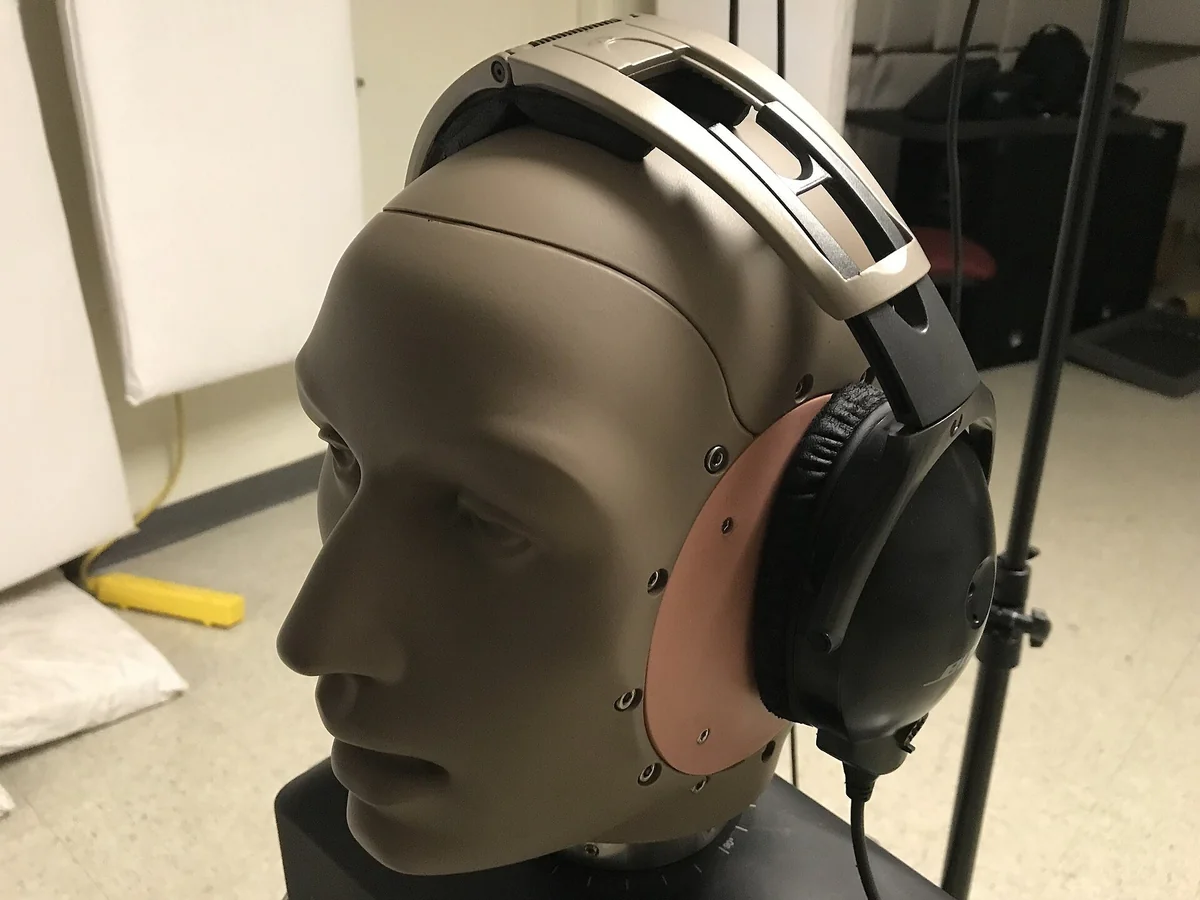
- Cover photo: Matti Blume, David Clark headset display at AERO Friedrichshafen 2018, Wikimedia Commons, CC BY-SA 4.0


